Ingredients
Method
Step 1: Prepare the Beef
- Start by patting the beef dry with a paper towel. This simple step will help it sear better. Sprinkle the pieces generously with salt and freshly cracked black pepper. The seasoning is essential for building a flavorful base.
Step 2: Sear the Beef
- In a heavy-based pot, heat 1 tablespoon of olive oil over high heat. When the oil is shimmering, carefully add the beef. Let each piece sear aggressively for about 3 to 5 minutes, turning to ensure all sides are nicely browned. This browning step enhances the flavor, so don’t rush through it! Once browned, remove the beef and set it aside on a plate.
Step 3: Sauté the Vegetables
- Turn your stove down to medium-low and add the remaining 2 tablespoons of olive oil to the same pot. Add in the diced onion and minced garlic, sautéing them for about 2 minutes until fragrant. Then, mix in the diced carrots and celery, allowing them to sauté slowly for an additional 5 minutes. This combination, also known as a soffrito, forms the flavorful backbone of your ragu.
Step 4: Combine Ingredients
- Now it’s time to bring it all together. Add the crushed tomatoes, tomato paste, crumbled bouillon cubes, red wine, water, thyme, and bay leaves into the pot. Stir well to combine everything nicely. Return the seared beef to the pot, making sure to include any juices that have pooled on the plate.
Step 5: Simmer on Low
- Turn up the heat to bring the mixture to a gentle simmer. Once bubbling, reduce the heat to low, covering the pot. Allow it to cook for about 2 hours until the beef is tender enough to shred. If you’re using a slow cooker, set it on low for the same time frame.
Step 6: Shred the Beef
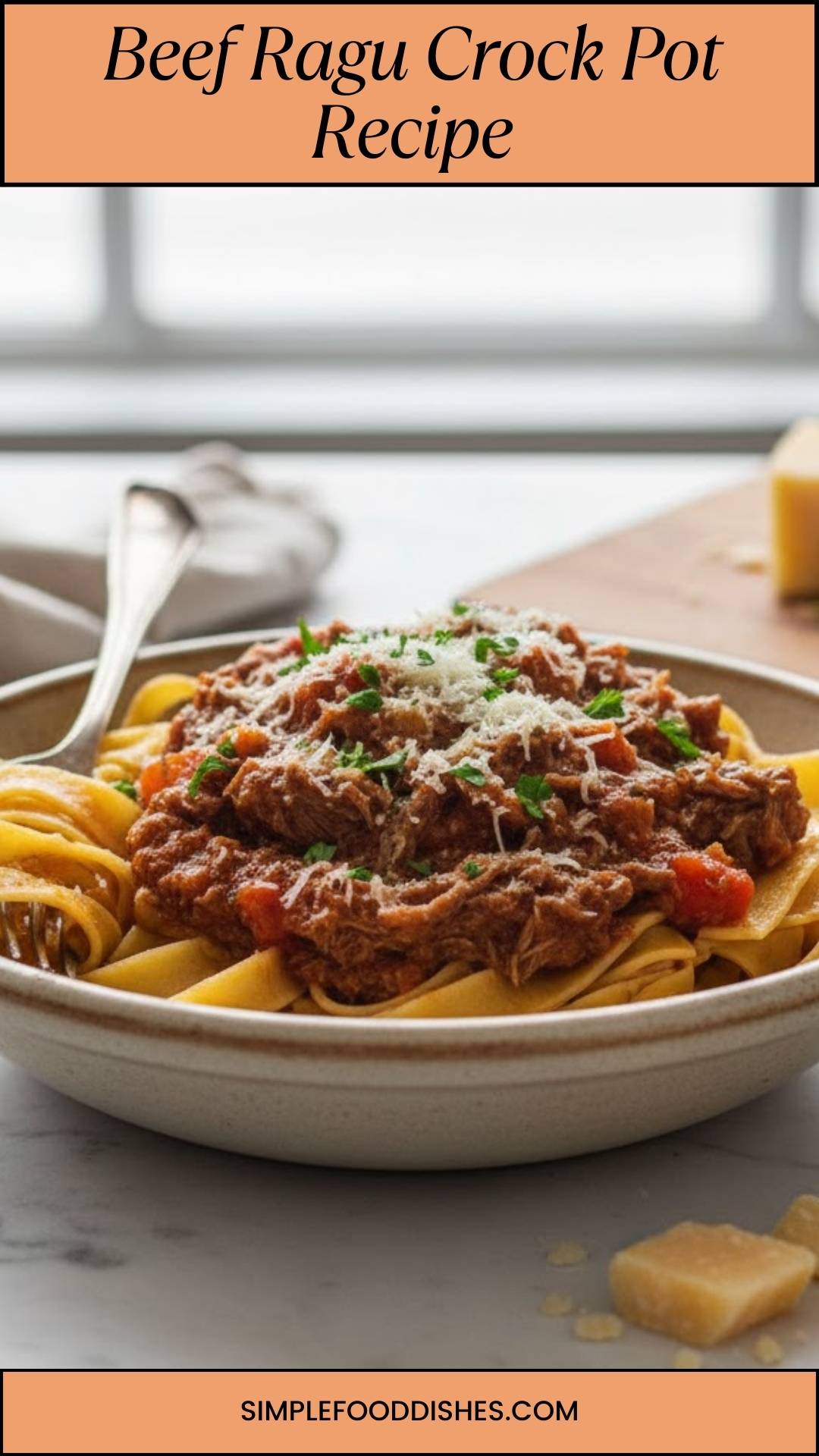
- After the cooking time, carefully remove the beef from the pot and use two forks to shred it into bite-sized pieces. Return the shredded beef to the pot and let it simmer for another 30 minutes. This helps the flavors deepen further and helps the sauce thicken.
Step 7: Final Touches
- Do a taste test! Season with additional salt and pepper if necessary. If the sauce feels a bit sour to you, add in 1/2 teaspoon of sugar to balance it out. Place the lid back on and let it rest until you’re ready to serve. It’s good right away but even better if you let it sit for a bit.
Notes
- Quality Olive Oil: Always use high-quality olive oil for searing and your sauce. It makes a noticeable difference.
- Let It Rest: Allow the ragu to sit for a bit after cooking. This resting time enhances the flavors even more.
- Pasta Cooking: Cook your pasta al dente, so it's firm enough to hold up with the hearty sauce.
- Batch Cooking: Consider making double the recipe; ragu freezes wonderfully and is great for quick meals later.
- Experiment with Herbs: Don’t be afraid to tweak the herbs to your taste. Fresh herbs can also add a delightful flavor boost.