

Ingredients
Method
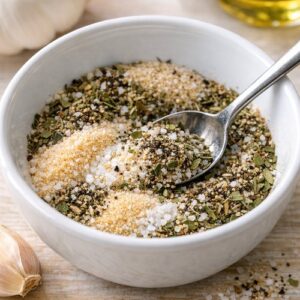
Step 1: Create Your Seasoning Blend
- In a small bowl (a cereal bowl works great), combine your Italian seasoning, garlic powder, onion powder, salt, and freshly cracked black pepper. Stir everything together with a fork until well mixed. This takes about 30 seconds and ensures your chicken gets evenly seasoned. PRO TIP: If your Italian seasoning is old (over one year), buy fresh—dried herbs lose potency quickly and you'll taste the difference.
Step 2: Prepare Your Chicken Properly
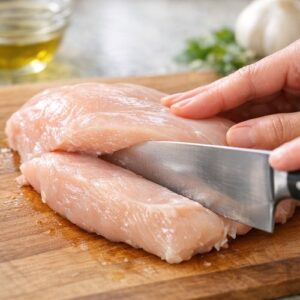
- This is CRITICAL for even cooking. Take each chicken breast and carefully place it on your cutting board. Using a sharp chef's knife (dull knives are actually MORE dangerous because they slip), position the blade horizontally about halfway through the thickness of the breast. Gently slice through while keeping your hand flat on top, creating two thinner cutlets from each breast. You should end up with four cutlets total—this DRAMATICALLY reduces cooking time and ensures nothing gets dried out. Pat each cutlet dry with paper towels (moisture prevents browning) and season both sides generously with your seasoning blend.
Step 3: Get Your Pan Properly Hot
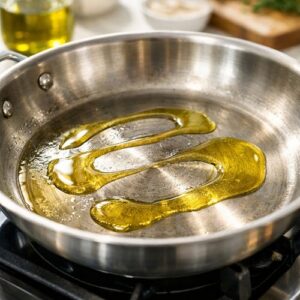
- Place your large skillet over MEDIUM heat (not high—patience is your friend here). Add your olive oil and let it heat for about 90 seconds. You'll know it's ready when you swirl the oil and it flows easily across the pan. If you drop a tiny piece of chicken in and it immediately sizzles loudly, you're good to go. This step prevents sticking and creates that beautiful golden crust. SAFETY WARNING: Keep your face and hands back from the pan when placing chicken—the hot oil can splatter. Always use tongs or a spatula to place protein, never your hands.
Step 4: Sear the Chicken Until Golden
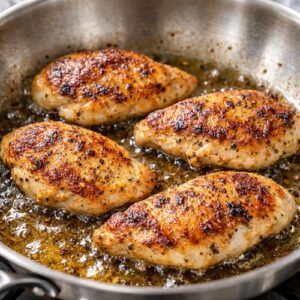
- Once your pan is hot, carefully place all four cutlets into the oil. DO NOT touch them for 4 minutes—I know it's tempting, but this is how you build that golden crust. After exactly 4 minutes, flip each cutlet and cook the other side for another 4 minutes. The chicken should be golden brown on both sides and cooked through (165°F internal temperature if you want to verify with a meat thermometer, which I highly recommend). Remove the cooked chicken to a clean plate and cover it loosely with foil or a lid to keep it warm. Don't worry if it seems slightly underdone—it'll continue cooking when we return it to the sauce.
Step 5: Build Your Flavor Base
- In the SAME skillet (all that flavorful fond is still there!), reduce heat to MEDIUM-LOW and add your butter and minced garlic. Sauté for exactly 1 minute—you want the garlic fragrant and starting to turn golden, NOT brown or bitter. This smell is INCREDIBLE and tells you your pan temperature is perfect.
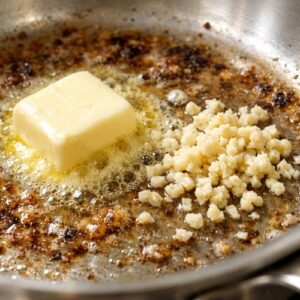
Step 6: Deglaze and Build the Sauce
- Pour in your chicken broth and immediately use a wooden spoon to scrape up all those browned bits from the pan bottom. This is where the magic happens—those bits contain concentrated chicken flavor. Add your Dijon mustard and Worcestershire sauce, stirring until completely combined. You should see the sauce lighten slightly and smell absolutely divine. Pro tip from my dietitian experience: The Dijon mustard here adds brightness AND probiotic cultures if you're using unpasteurized varieties. The fermented nature of mustard aids digestion and adds complexity without salt.
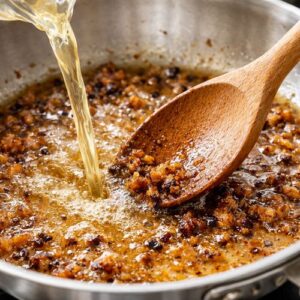
Step 7: Cream and Finish the Sauce
- Pour in your heavy cream and sprinkle in your freshly grated Parmesan cheese. Stir everything together and let the sauce simmer gently for 5 minutes. This allows the flavors to meld and the sauce to thicken slightly. Taste it at this point—if you want more salt or pepper, add a pinch. Remember, you can always add more seasoning, but you can't remove it.
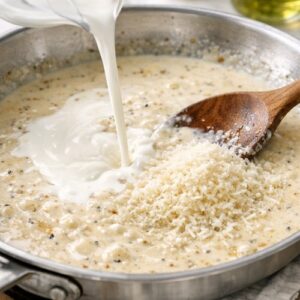
Step 8: Wilt in the Spinach
- Add your fresh spinach to the sauce, stirring constantly. Within 2-3 minutes, the spinach will completely wilt into the sauce. It looks like you added a massive amount of greens, but trust me—it shrinks dramatically. This adds nutrients (iron, folate, vitamin K) and creates a beautiful, vibrant sauce.
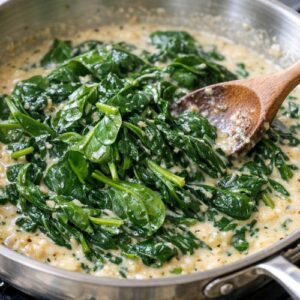
Step 9: Return the Chicken and Serve
- Return your golden chicken cutlets to the skillet, nestling them into the Dijon sauce. Spoon some sauce over each piece and let everything heat through for about 2 minutes. The chicken should be hot throughout and the sauce should be bubbling gently around the edges. Transfer to plates immediately and serve HOT. The plating itself makes this feel restaurant-quality—arrange the chicken on the plate and spoon extra sauce over top.

Notes
- Pound your chicken evenly - If your breasts are uneven thickness (which they usually are), use a meat mallet to pound them to uniform thickness before filleting. This ensures even cooking across all pieces.
- Don't skip the searing step - I know you want to rush, but those 4 minutes per side create Maillard reaction browning that adds incredible flavor. This cannot be replicated any other way.
- Use room temperature ingredients - Cold cream added to a hot pan can break the sauce. Let your cream sit on the counter for 10 minutes before using.
- Fresh is non-negotiable for spinach - Frozen spinach releases too much water and makes your sauce watery. Use fresh baby spinach exclusively.
- Keep your pan temperature consistent - Medium-low is your friend for the sauce. If it boils aggressively, reduce heat immediately to prevent the cream from breaking.
- Taste as you go - Everyone's saltiness preference differs. Always taste your sauce before serving and adjust seasoning.