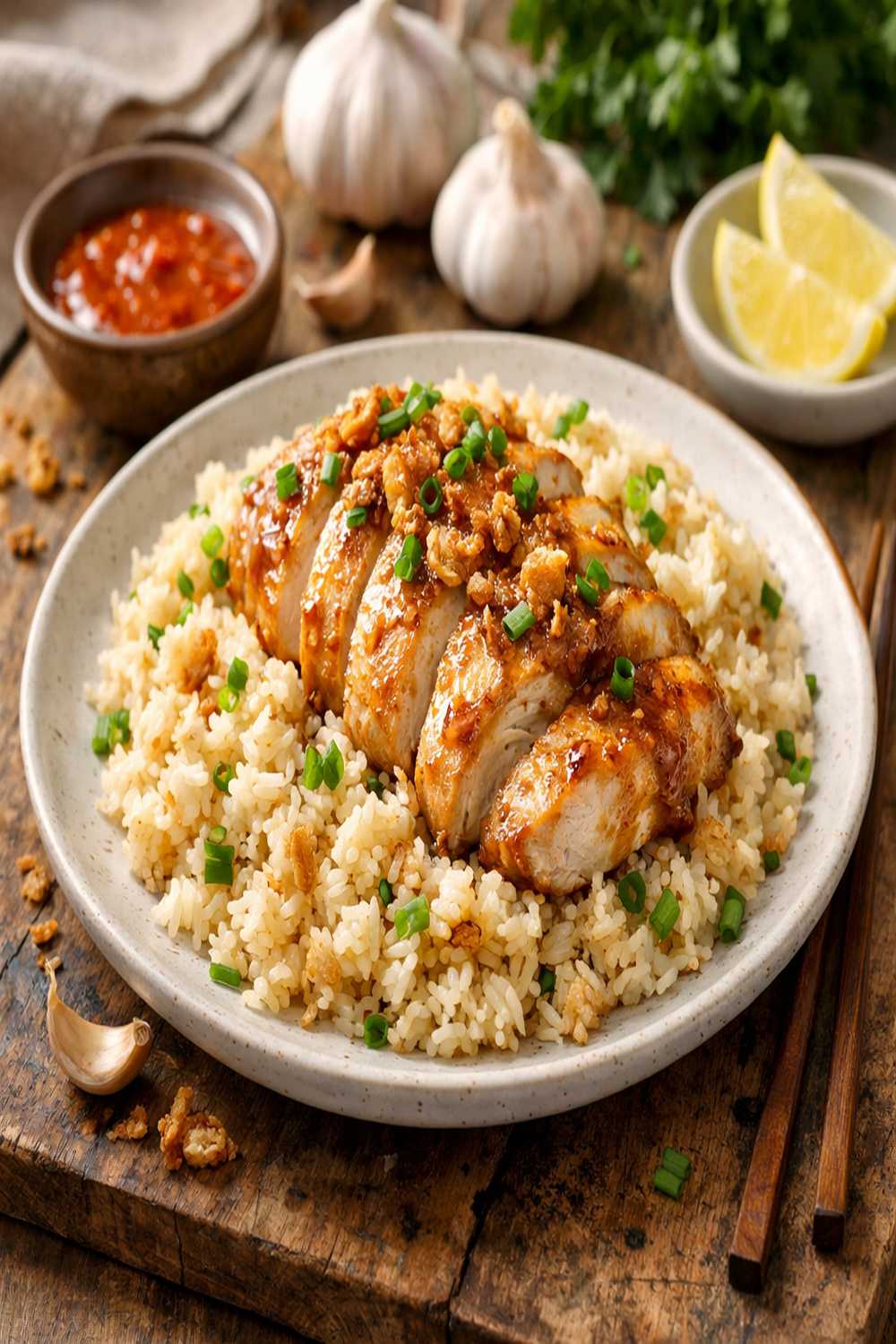

Ingredients
Method
Step 1: Season Your Chicken Properly
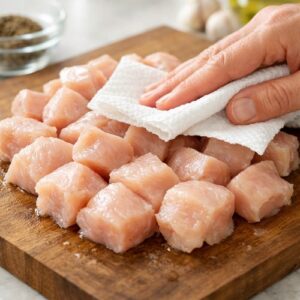
- Pat your cubed chicken dry with paper towels—this is non-negotiable. Moisture on the surface prevents browning and steams the chicken instead of searing it. Once dry, sprinkle the garlic salt and black pepper evenly over all pieces. Don't underseasoning here; the seasoning happens NOW, not at the end. This ensures flavor penetrates the meat as it cooks.
Step 2: Sear the Chicken Until Golden
- Heat a large skillet (12 inches is ideal) over medium-high heat. Add your olive oil or cooking spray and let it get HOT—you should see a slight shimmer across the pan. This takes about 1 minute. Working in batches if needed, place seasoned chicken cubes in the pan in a single layer. DO NOT move them around for the first 2-3 minutes. Let them SIT. This develops a golden-brown crust that locks in juices. After 2-3 minutes, flip each piece and cook another 2-3 minutes. The chicken doesn't need to be fully cooked through at this stage—you're looking for golden-brown exteriors and an internal temperature around 140-145°F (it will finish cooking when the rice cooks). Remove chicken to a clean plate.

Step 3: Bloom the Garlic
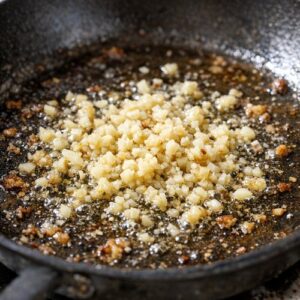
- Return the same skillet to medium heat (reduce from medium-high). Add your minced fresh garlic directly to the remaining oil and butter bits. This step is called "blooming," and it's where garlic transforms from raw and harsh to mellow and sweet. Stir constantly for exactly 1 minute—no more, no less. You want fragrant, light golden garlic, NOT browned or burnt garlic (which tastes bitter). Your kitchen should smell INCREDIBLE right now.
Step 4: Add Rice and Toast It Briefly
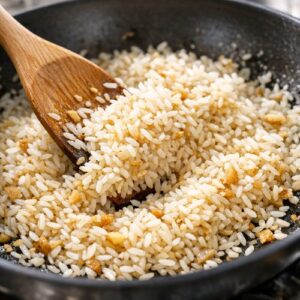
- Pour your dry rice directly into the pan with the bloomed garlic. Stir constantly for 1-2 minutes. You're lightly toasting the rice grains, which adds a subtle nutty flavor and helps each grain stay separate during cooking instead of clumping together. The rice will look slightly translucent around the edges when it's ready.
Step 5: Add Broth and Return Chicken
- Pour in your 3 cups of low-sodium chicken broth. Be careful—it will steam and bubble. Scrape the bottom of the pan with a wooden spoon to loosen any browned bits (called fond), which add huge flavor. Return your seared chicken pieces to the pan, nestling them into the rice. The liquid should come up to about ½ inch above the rice surface. Stir everything together once.

Step 6: Bring to a Boil, Then Cover and Simmer
- Increase heat to high until you see a full rolling boil. Once boiling, immediately reduce heat to low, cover the pan with a lid (or foil if you don't have a lid), and set a timer for 12-15 minutes. Do NOT peek or stir. This is crucial—you're creating a gentle steam environment where rice cooks evenly. Peeking releases steam and disrupts cooking.
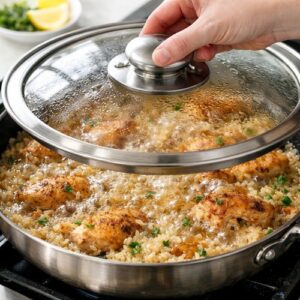
Step 7: Check for Doneness and Add Cream and Spinach
- After 12 minutes, carefully lift the lid (watch for steam!) and check if most of the liquid has been absorbed. The rice should look tender and the chicken should reach an internal temperature of 165°F with a meat thermometer. If there's still excess liquid, cover and cook another 2-3 minutes. Once the rice is nearly tender and liquid is mostly gone, remove from heat. Pour in your heavy cream and add the fresh spinach. Stir gently until spinach wilts (about 1-2 minutes of gentle stirring). The residual heat will wilt the spinach without overcooking it.

Step 8: Finish With Parmesan and Serve
- Stir in your freshly grated Parmesan cheese until fully combined. Taste and adjust seasoning with a pinch of salt and pepper if needed (remember, we used garlic salt earlier, so go easy). Serve immediately while hot. If you're eating right away, transfer to serving bowls. If you're meal prepping, let it cool slightly before portioning into containers.

Notes
- Using hot broth straight from simmering on the stove. Hot broth can shock the rice and cause uneven cooking. Use room-temperature or cold broth from the carton or let it cool first.
- Peeking under the lid constantly. Every time you lift the lid, you release steam and extend cooking time by 1-2 minutes. Trust the process and set a timer.
- Crowding the pan when searing chicken. If your pan is too small or too full, chicken steams instead of sears. Work in two batches if needed—it takes 2 extra minutes and makes a HUGE difference in texture.
- Adding cream while the pan is still boiling. If your liquid is still at a rolling boil when you add cold cream, it can break or curdle. Always remove from heat first or wait until it's at a gentle simmer.