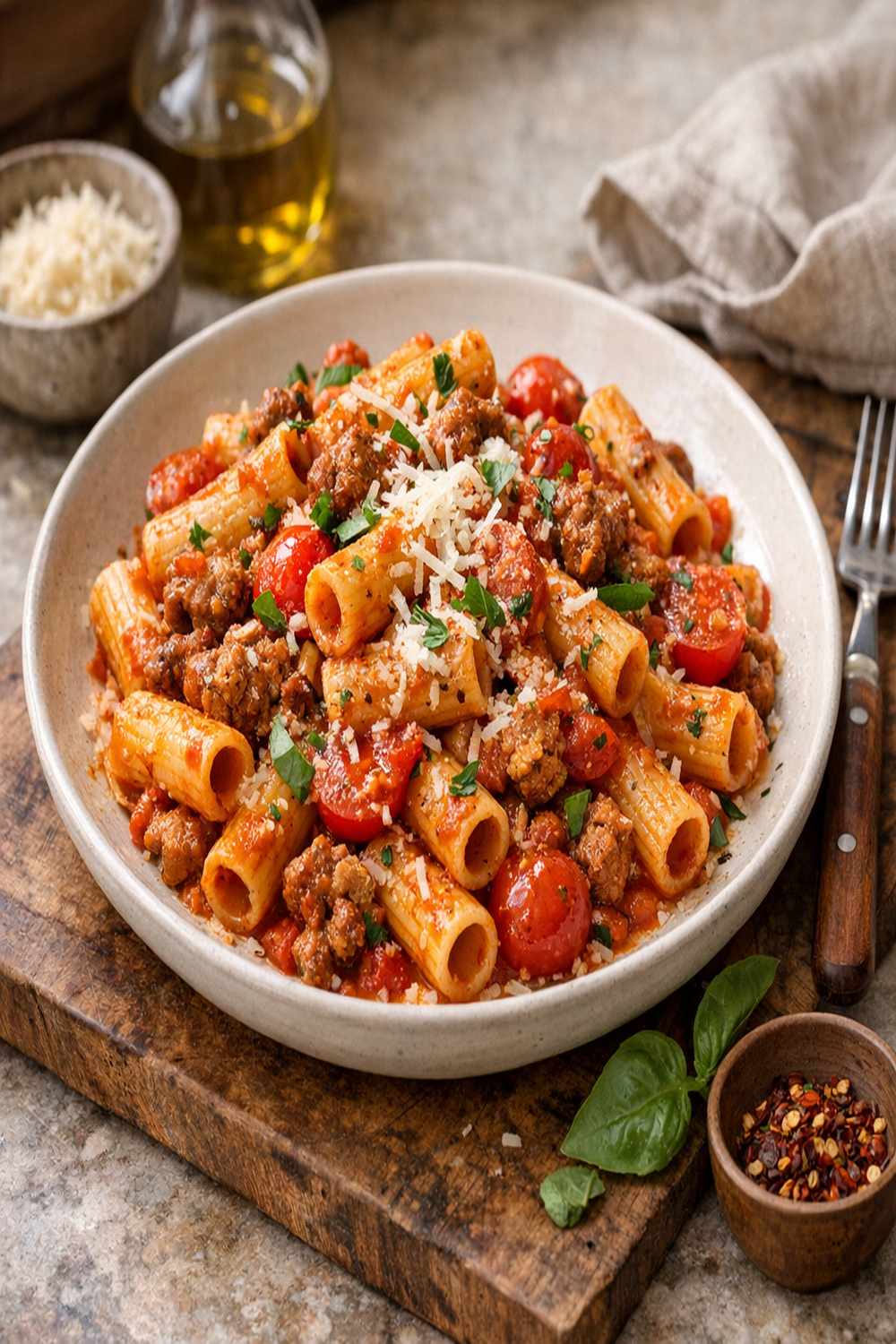

Ingredients
Method
Step 1: Start Your Pasta Water and Get Your Mise en Place Ready
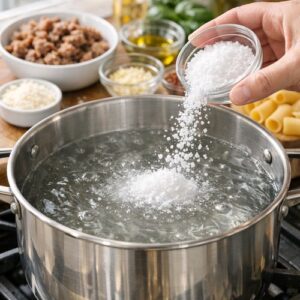
- Fill a large pot with 4-5 quarts of cold water and add a generous handful of kosher salt—about 2 tablespoons. This is your foundation. Bring it to a rolling boil over high heat. While that's heating, prepare all your ingredients in small bowls or on a cutting board: minced onion, minced garlic, measured cream, grated cheese, and fresh spinach. WHY THIS MATTERS: In Italian cooking, mise en place (everything in its place) is sacred. Once you start cooking the sausage, you're moving quickly. Having everything prepped prevents panic and ensures even cooking. The salted water is essential—it seasons the pasta from within, not just on the outside. Without proper salt in the cooking water, no amount of seasoning later will fix it.
Step 2: Cook the Pasta Until Just Shy of Al Dente
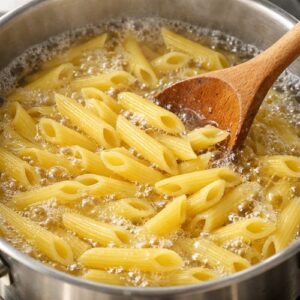
- Once your water is at a rolling boil, add the penne. Stir immediately to prevent sticking. Cook according to package directions, but remove it about 1 minute BEFORE the package says it's done. This is crucial—you'll finish cooking it in the sauce. Taste a piece; it should have a slight resistance when you bite it. Reserve 1 cup of starchy pasta water before draining, then set the drained pasta aside. The starchy pasta water is your secret weapon. It contains starches that help emulsify the sauce and create that silky, cling-to-the-noodles texture that makes this dish so satisfying. I cannot overstate how important this is.
Step 3: Build the Sausage Foundation
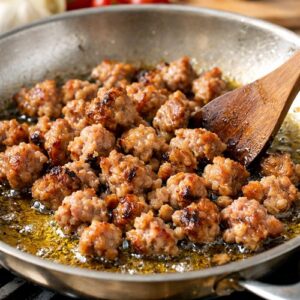
- While the pasta cooks, heat 2 tablespoons of olive oil in a large skillet (12-inch is ideal) over medium-high heat. When the oil shimmers and smells fragrant—about 1 minute—add your sausage, breaking it apart with a wooden spoon as it hits the pan. Don't stir constantly. Let it sit for 2-3 minutes so it develops a golden crust, then stir and break it into smaller pieces. CRITICAL SAFETY WARNING: Italian sausage contains raw pork. It MUST reach an internal temperature of 160°F to be safe. Use a meat thermometer inserted into the largest piece. Do not rely on color alone—sausage can appear browned while still undercooked internally. As the sausage cooks, its rendered fat creates an incredible flavor base. This is the essence of traditional cooking—letting protein contribute its own richness to the dish rather than adding fat separately.
Step 4: Add Aromatics and Spices
- Once the sausage is mostly cooked through and golden, add your minced onion and cook for 2 minutes until softened and fragrant. Add the minced garlic and red pepper flakes, stirring constantly for about 30 seconds. This prevents the garlic from burning—burned garlic tastes bitter and ruins the whole dish. At this point, your kitchen should smell absolutely incredible: savory, garlicky, with that warm pepper spice underneath. Add the salt and freshly ground black pepper. Taste a tiny piece of sausage—it should taste fully seasoned, not underseasoned. This is your moment to adjust.
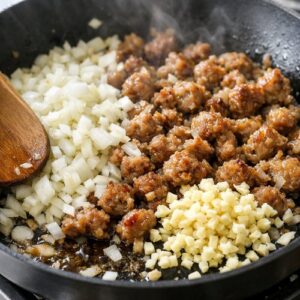
Step 5: Create the Cream Sauce (The Magic Happens Here)
- Turn the heat down to medium-low. Pour in the 2 cups of heavy cream slowly, stirring constantly. The cream will immediately absorb all those gorgeous browned bits from the bottom of the pan—that's called deglazing, and it's where enormous flavor lives. Bring the mixture to a gentle simmer. DO NOT let it boil rapidly. A rolling boil can cause cream to break and separate, creating a grainy texture. Let it simmer gently for about 2 minutes, stirring occasionally. The cream should thicken very slightly and coat the back of a spoon. TROUBLESHOOTING TIP: If your sauce seems too thin after 2 minutes, simmer it for another minute or two. If it seems too thick, add pasta water 2 tablespoons at a time. If the cream looks separated or grainy, this means it got too hot. Immediately remove it from heat, let it cool for 1 minute, then whisk in 2-3 tablespoons of cold pasta water to bring it back together.
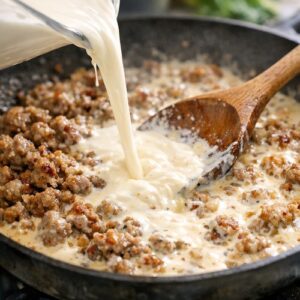
Step 6: Wilt the Spinach Into the Sauce
- Add all 5 ounces of fresh spinach to the hot cream sauce. It will look like CHAOS—like you've dumped an entire salad into cream sauce. Don't panic. Stir constantly for about 3 minutes. The spinach will gradually wilt and darken, incorporating into the sauce while releasing its moisture. This moisture actually helps loosen the sauce to the perfect consistency. After 3 minutes, the spinach should be completely wilted with no large leaves remaining. Taste the sauce now—adjust salt and pepper if needed. Remember that you'll be adding salty Parmigiano-Reggiano next, so be slightly conservative.
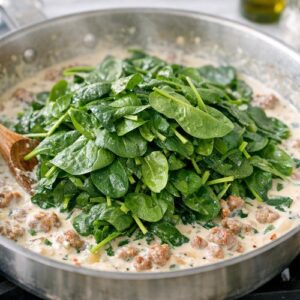
Step 7: Incorporate the Cheese and Combine With Pasta
- Remove the skillet from heat. Add the freshly grated Parmigiano-Reggiano cheese about ¼ cup at a time, stirring constantly after each addition. The residual heat will melt it beautifully without risking that grainy, broken texture that happens if cheese is added to boiling liquid. Now add your drained penne directly to the cream sauce. Toss gently but thoroughly, using tongs or two wooden spoons to coat every piece of pasta. If the sauce seems too thick or clingy, add pasta water 2-3 tablespoons at a time, tossing as you go. The goal is a sauce that coats the pasta but doesn't pool at the bottom of the pan. Taste once more. Adjust salt, pepper, or red pepper flakes to your preference. This is YOUR dish—make it taste how you want it to taste.

Step 8: Serve Immediately and Beautifully
- Transfer to warm bowls or plates immediately. The sauce will continue to coat everything as it rests. If you're using fresh basil, add a few leaves on top right before serving. A final twist of fresh black pepper and maybe a tiny pinch more Parmigiano-Reggiano adds elegance without overwhelming the dish. Serve immediately while everything is hot and creamy. Leftover sauce will thicken as it cools, so this dish is best enjoyed fresh from the pan.